The slogan of COP30 “Global Mutirão”, meaning “collective efforts”, is the definition of what is needed to transition from dirty diesel to clean trucks. Freight supply chains are global and yet there are a just handful of major companies that make most trucks in the world. So a collective effort should be easy right?
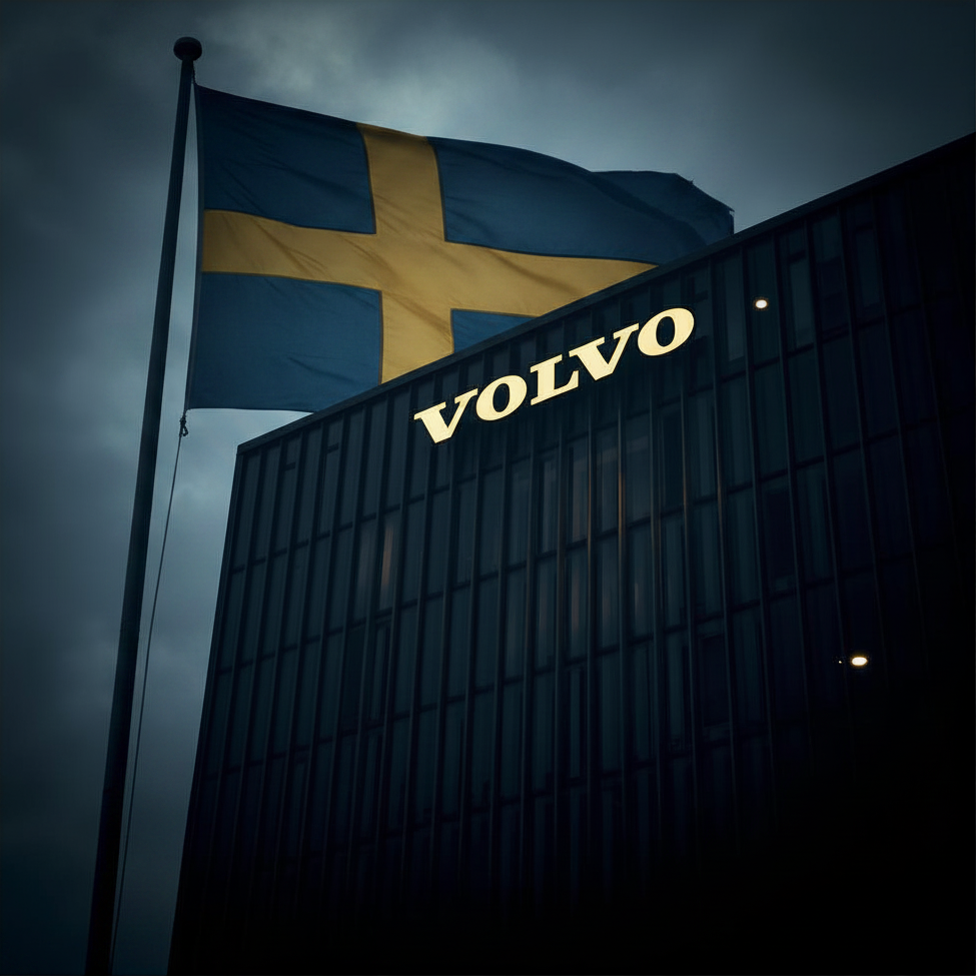
Wrong. To date a collective effort on transforming trucking from polluting diesel to zero emissions has been severely lacking. This is because some of the world’s largest truck makers — including Volvo Group and Daimler Truck— which should be leading the way are choosing obstruction. In the U.S., they’re suing regulators to stop them enforcing clean truck standards; in the EU, they’re lobbying to weaken emissions rules.
The need to transition to clean trucking is urgent. Medium and heavy-duty trucks make up only 3% of total vehicles globally but contribute 30% of all greenhouse gas emissions from road transport come from trucks. The toxic air massively impacts communities (often low income, minority communities) living near major ports, warehouses and motorways, with links between diesel air pollution and asthma, cancer, low birth weight and premature deaths.
COP30 has been a good opportunity to showcase what is possible for clean freight – but also how these two major truck manufacturers are dragging their heels.
On day two of the UN climate talks an important development was unveiled: more states joined 40 other governments in signing an agreement on zero emission trucking with a goal of 100% zero emission trucks by 2040 and an interim goal of 30% new sales by 2030. Fleets, shippers and retailers, including Traton owned Scania, BYD, Maersk and Heineken, also signed on. But notably absent were two of the world’s biggest truck manufacturers – Volvo & Daimler, two of the three largest suppliers of heavy trucks in North America, Europe and Latin America.
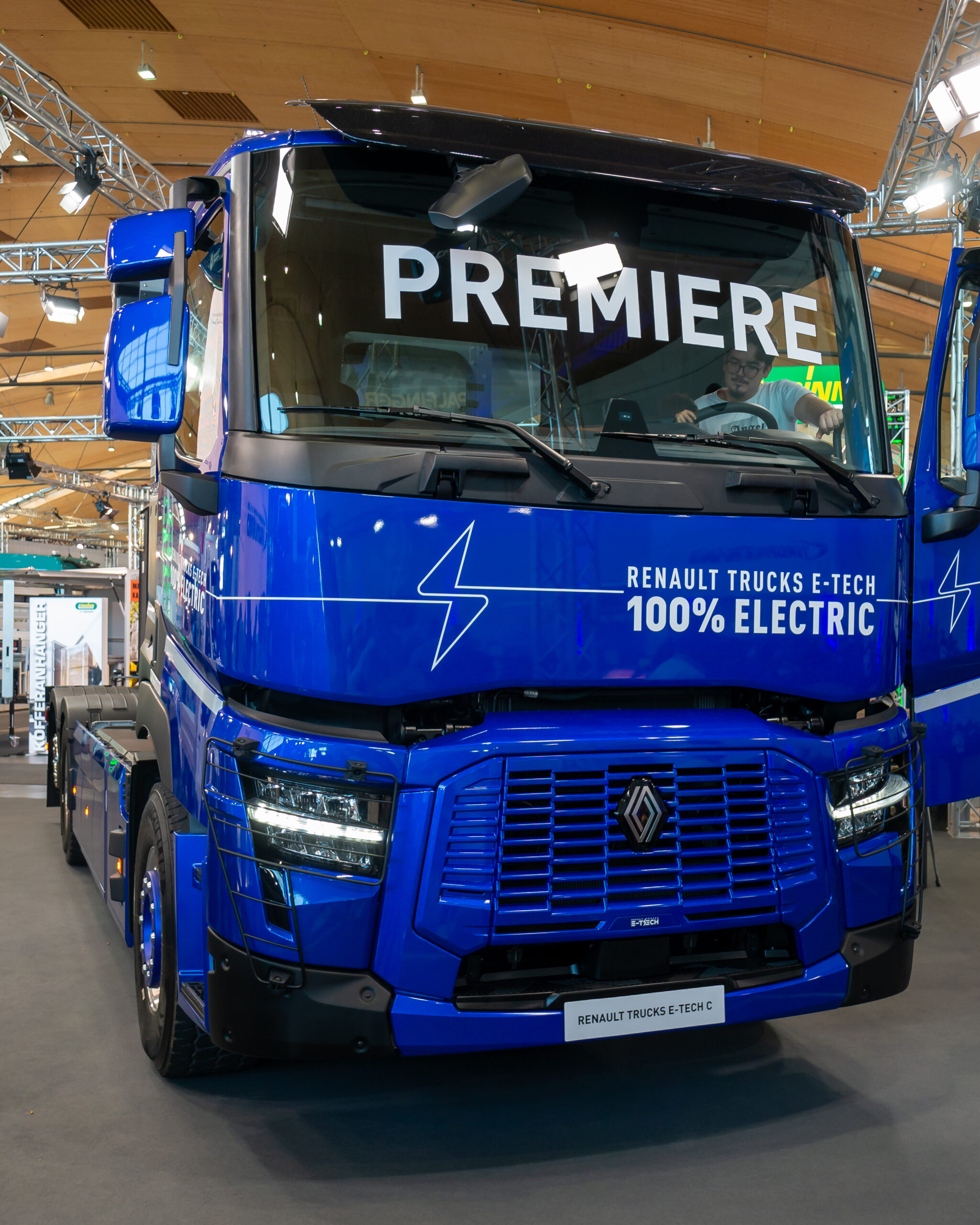
On the same day, an initiative was announced involving 15 companies, including truck maker Volkswagen Truck & Bus, another Traton subsidiary, to set up an electric corridor between Rio de Janeiro and São Paulo to deploy electric trucks and chargers, known as Laneshift e-Dutra. This practical roll-out of truck electrification demonstrates to new markets like Brazil that zero emission trucking is possible – and is better than diesel, for communities that live near polluted highways and for the trucking industry, given the cost savings on fuel and maintenance. The initiative aims to have 1,000 electric trucks in daily operation by 2030, with the potential to expand even further. By that time, the project could prevent around 75,000 metric tons of CO₂ emissions by 2030, equivalent to removing the tailpipe emissions of over 16,000 cars from the roads.
Agreements at COP were also announced between California and Mexico, Brazil, Colombia and Nigeria to advance clean transport, including zero-emission freight corridors, clean ports and zero emissions vehicles.
These positive developments at COP demonstrate that demand exists for clean trucking and how governments, industry and communities are willing to work to achieve it.
The major truck manufacturers however chose to ignore this and instead have doubled down on pushing false solutions at COP.
Volvo Group just days ahead of the COP joined a push to lock in the use of gas by demanding recognition of “renewable gas certificates” by the Greenhouse Gas (GHG) Protocol. The Swedish truck manufacturer signed a letter on the issue coordinated by lobby groups Eurogas, the European Biogas Association, the American Biogas Council, whose members include major oil and gas companies such as BP, Shell, Exxon and TotalEnergies.
Daimler Truck unveiled a Mercedes Benz biofuels truck travelling towards the COP talks, despite the fact that biofuels still cause pollution, involve deforestation, and compete with food production. Research shows switching to biofuels for Brazil’s heavy-duty trucks would require 25% of its territory to be used for soybean production
The reality is that while Daimler and Volvo continue to drag down progress on zero emission trucking, the demand is nonetheless growing for electric trucks. New data by Bloomberg NEF shows China is ramping ahead both in terms of electric truck adoption and new truck manufacturers in China willing to produce them at scale and at lower prices. It is clear that Daimler and Volvo are playing an outsized role in holding back the rest of the world.
Communities, industry and governments across the world will continue their collective push for zero emission trucking to address the health impact and the competitiveness of their businesses. To get involved in this effort to hold major manufacturers to account, sign the petition.