Senate Bill 1213, authored by Senator Eloise Gómez Reyes, cleared another legislative milestone yesterday by passing out of the California State Assembly’s Natural Resources Committee. This advancement builds on a wave of powerful momentum, following unanimous passage through both the Assembly Transportation Committee on June 18th and the full California Senate.
SB1213 arrives at a critical moment for California fleet operators navigating volatile diesel prices. The bill aims to accelerate the transition to zero-emission medium and heavy-duty vehicles (ZE MHDVs) by fostering a transparent, competitive marketplace that drives down upfront costs and protects public investments.
The bill’s steady forward progress reflects intensive, constructive stakeholder engagement led by the author’s office, which successfully resolved initial concerns from commercial truck manufacturers. SB1213 enters its next legislative phase with previous opposition cleared, paving the way for a predictable, scalable clean truck market that benefits manufacturers, fleet operators, and taxpayers alike.
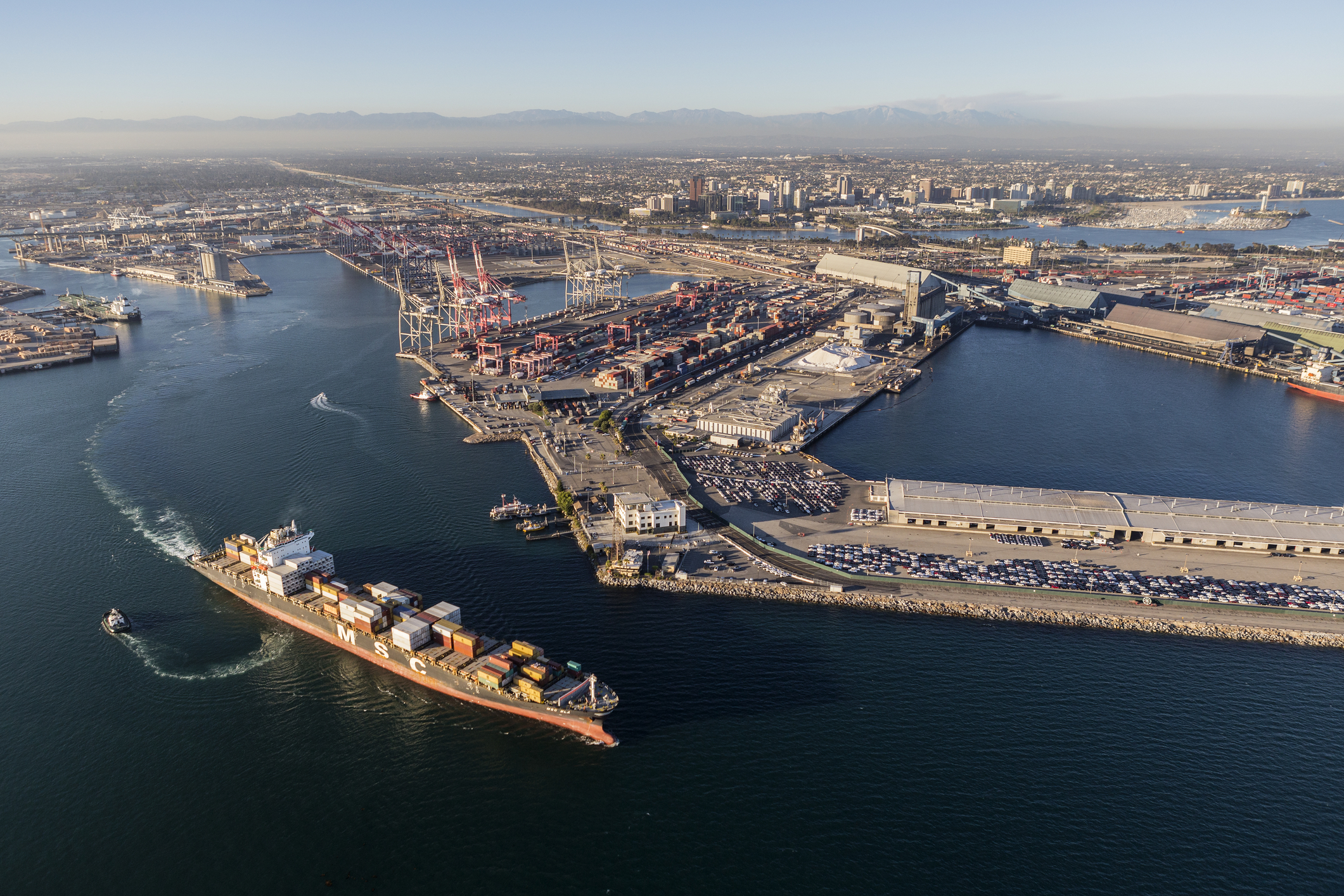
A central pillar of the legislation is ensuring that state incentive dollars are utilized as efficiently as possible to achieve deep emissions reductions. Among the notable business and infrastructure leaders backing the bill is the Port of Long Beach. In a letter to Assembly Transportation Committee Chair Lori Wilson, Port of Long Beach CEO Dr. Noel Hacegaba emphasized the strategic vision of the bill:
SB1213 “would give state agencies the tools they need to ensure our state incentive dollars go as far as possible in achieving the emissions reduction goals we all share”. The Port of Long Beach letter adds that “more effective incentives are essential to ensuring that public investments deliver real value for fleets, communities, and taxpayers.”
A diverse group of organizations—including the LA Business Council, Los Angeles Cleantech Incubator (LACI), E2 (Environmental Entrepreneurs), and Ceres—has also thrown its full support behind the measure. In a joint letter, the organizations highlighted that SB 1213 will help “meet our state’s environmental milestones, protect supply chain fluidity, and ensure a robust return on California’s clean-tech investments.”
Crucially, the organizations noted that the bill’s market transparency provisions are designed to give independent port drayage operators and small-to-midsized fleets the “transparent market pricing needed to compete fairly and transition successfully.”
The bill addresses shifting dynamics in the global commercial vehicle marketplace: while heavy-duty electric truck prices in Europe have decreased by 27% in recent years, U.S. prices have climbed by 32%, according to research by the International Council on Clean Transportation.By aligning state incentives with clear market data, SB 1213 provides the structural framework necessary to scale California’s clean transportation economy safely, transparently, and rapidly.
Guillermo Ortiz, senior clean vehicles advocate at NRDC (Natural Resources Defense Council:
“When a global freight hub like the Port of Long Beach aligns with such a diverse coalition, it proves that affordable clean trucks are a win for our economy and our public health. Transparent market data is exactly how we build confidence, protect investments, and get these vehicles on the road faster.” ”
Craig Segall, former CARB official:
“The ports – and the larger business community – want affordable, clean trucks. This bill helps fix a broken system that’s been keeping prices high. It’s really that simple, and really good news.”
Juan Roberto Madrid, GreenLatinos Sustainable Communities Program Manager said:
“This bill recognizes the people that are suffering from high diesel prices and diesel pollution. This includes Latino truck drivers who are being crushed by diesel prices and the communities close to ports and road networks dominated by freight. It is heartening to see unanimous support from across the political spectrum.”
About SB 1213
SB 1213 conditions the receipt of state funding on pricing transparency from original equipment manufacturers (OEMs). It aims to enhance the HVIP program and explore innovative financing to scale the deployment of zero-emission trucks while prioritizing public health in the state’s most vulnerable regions. SB 1213 passed through the Senate unanimously and is now passiing through the Assembly.