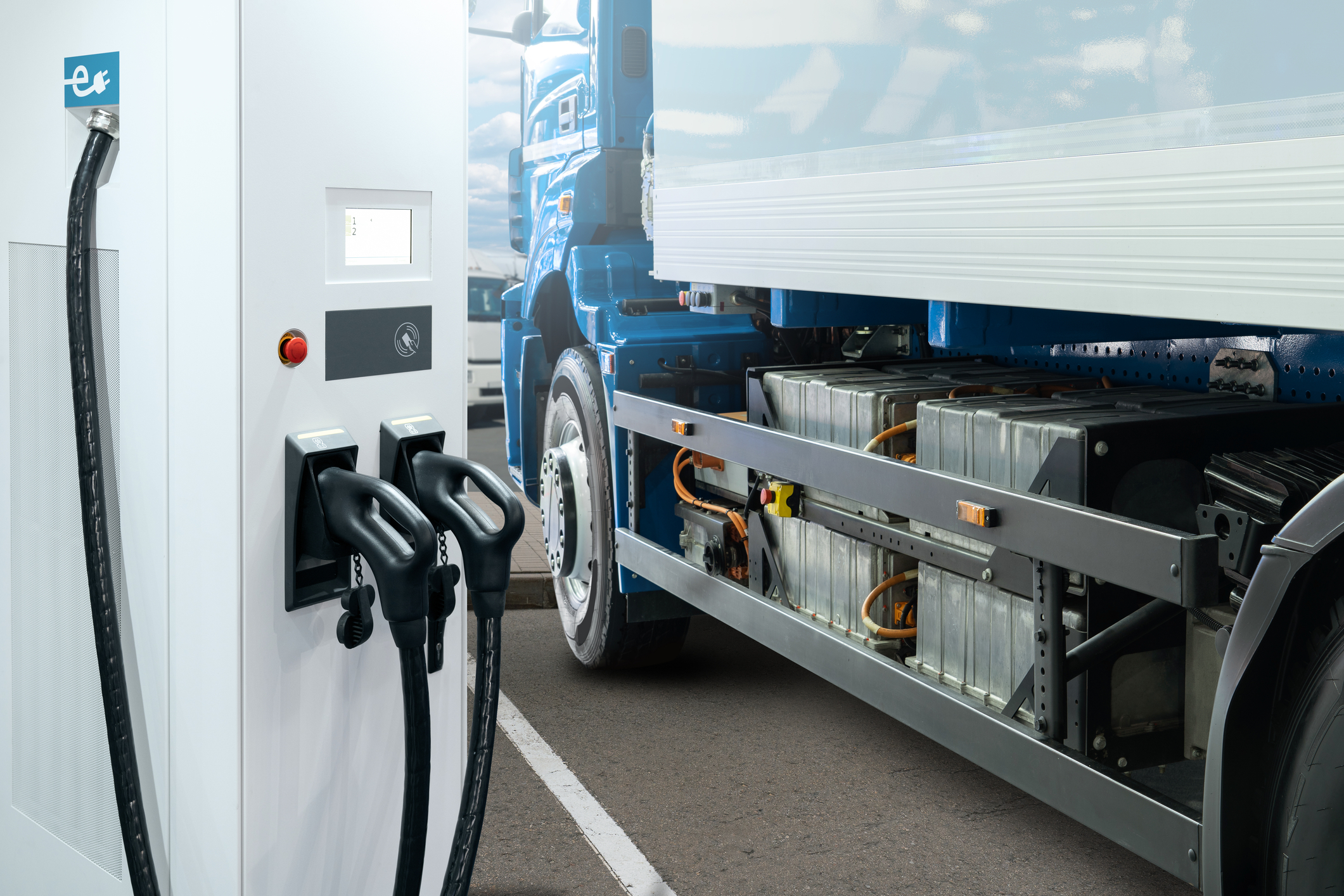
The four manufacturers signed the deal with the California Air Resources Board (CARB) two years ago. The groups warn that the lawsuit will harm the trucking industry by delaying the shift to zero-emission vehicles and locking fleets into the high costs of diesel and setting back the introduction of better technologies into key markets, while perpetuating deadly pollution and fueling climate change.
The letter slams lucrative truck manufacturers’ claims that they “are caught in the crossfire” between California’s rules and federal moves against them, pointing to evidence that truck manufacturers have been undermining the laws in U.S. states and lobbying against them at the federal level warning of the “triggering a domino effect” given the slow rollout of electric trucks globally. Industry lobby group the European Automobile Manufacturers’ Association to stall emission standards in the European Union. “This instability causes greater market uncertainty and jeopardizes your market share at a time when legacy manufacturers are at serious risk of falling behind Chinese electric truck manufacturers,” the letter states.
The letter also questions whether these companies’ actions were swayed by political forces, citing the concurrent timing of legal actions by manufacturers and the Trump administration. The U.S.Department of Justice also joined the lawsuit against California, days after the truck manufacturers’ lawsuit days was filed.
The lawsuit by the truck manufacturers comes at a time when the U.S. Environmental Protection Agency is proposing to do away with pollution emissions rules, jeopardizing $2.4 billion per year in fueling and maintenance savings. The lawsuit and moves against clean trucks rules also hurts thousands of businesses which have adopted over 52,000 electric trucks deployed across the U.S.
Together, the four manufacturers that are plaintiffs to the lawsuit control the vast majority of the U.S. truck sales market – with Daimler controlling around 40% and Volvo controlling around 15%. Both have made commitments for all new truck sales to be carbon-free but Daimler sells less than 1% electric trucks and Volvo around 1.7%. The move against regulatory certainty comes on the heels of Daimler’s disastrous Q2 earnings results – showing a 20% fall in sales and over 50% drop in orders.
The coalition of public health, labor, environmental, and community organizations behind today’s statement is calling on manufacturers to immediately:
- Withdraw the lawsuit against California;
- Support electrification regulations across regions, including the U.S. and Europe.
- Accelerate the transition to zero-emission trucks in order to protect workers, communities, and long-term competitiveness.
The letter is available here.
Craig Segall former deputy executive officer and assistant chief counsel of the California Air Resources Board
“Truckmakers are breaking their word and ceding their market share to competitors. Regulators and investors everywhere should take note and demand better.”
Katherine García, Clean Transportation for All Campaign Director, Sierra Club
“It’s unacceptable that truck makers are faltering on their clean air and climate commitments. These companies negotiated a critical agreement with California to ensure more cleaner trucks on our roads. We urge these manufacturers to stick by their own commitments, stop casting themselves as victims, and ditch this dangerous lawsuit.”
Adam Zuckerman, senior clean vehicles campaigner with Public Citizen
“We call on truck makers to stop undermining the clean air commitments they made mere months ago. If these companies are allowed to abandon their commitment to California, it will be our communities, the rule of law, and the hundreds of businesses that have invested in electric trucks that will pay the price,” said.
Liya Rechtman, Transportation Lead at Evergreen Action
“Truck manufacturers cannot walk away from their clean air commitments every time the political winds shift. This agreement was designed to provide certainty through exactly these kinds of moments, and breaking it would betray truck drivers, fleets, and the communities who bear the brunt of pollution. Instead of backpedaling, manufacturers must hold firm to their commitments, accelerate the transition to zero-emission trucks, and prove they are serious about protecting public health, cutting costs for businesses, and keeping pace with global competitors.”
Stef Cornelius, Director, Electric Fleets at T&E
“What we are seeing in the US should ring alarm bells in Europe. Truck makers that once proudly signed up to ambitious climate targets are now suing California to avoid the very commitments they negotiated. If they are prepared to backtrack in one of the world’s largest markets, we cannot assume Europe will be immune. Slowing down now on the transition to electric would be a huge own goal and will put the competitiveness of our own truck makers at risk.”
Jeppe Juul Transport Policy Director at Green Transition Denmark and a board member at Transport & Environment
“Some European OEMs are already looking shaky on their 2030 targets, and if they follow the US example and start rowing back now, they will put the 2040 goals completely out of reach. Slowing down electrification would not only jeopardise Europe’s climate ambitions but also hand a competitive advantage to Chinese manufacturers who are moving fast into zero-emission trucks.”
Tobias Nissen Senior Advisor for Sustainable Investments at Action Aid Denmark
“These companies are publicly traded and accountable to shareholders. When they decide to fight climate regulation, they undermine their own transition to zero-emission transportation and thereby put their own long-term competitiveness at risk. This should be a cause of concern for shareholders with long term investments.”